You’re Addicted to Self-Improvement — And It’s Holding You Back
Hi, I’m Carolina, Founder of Be Well Life Coaching, where I guide millennials who are done with generic self-help and want real, measurable progress. Today, I want to talk about something that trips up even the most motivated people: how self-improvement addiction can actually keep you stuck.

The Illusion of Productivity
We live in a world where everyone seems to be a coach (myself included!). Social media feeds are full of “tips,” newsletters, videos, and endless content promising the next shortcut to success. It’s easy to feel like you’re learning and growing because you’re consuming so much.
The thing is, consuming knowledge isn’t the same as implementing it. You can spend hours watching motivational videos, reading articles, and bookmarking productivity hacks—and still feel stuck. You may even feel “good” about yourself for doing it, but real growth? That’s still waiting.
This is what I call self-improvement addiction. It feels productive. It feels disciplined. But in reality, it’s a form of busy work disguised as personal development.
Too Much Input, Too Little Clarity
When we’re addicted to self-improvement content, we accumulate a mental library that’s impressive on the surface (and maybe useful in some conversations) but confusing beneath the surface. Think about it: how many books, podcasts, or courses have you started but never finished? How many “life hacks” are sitting in your notes app waiting for a perfect time to be applied?
The problem is not the information—it’s the overload. The more input we consume, the less mental space we have to process, reflect, and take action. Instead of clarity, we get decision fatigue. Instead of productivity, we get a constant feeling of “I should be doing more.”
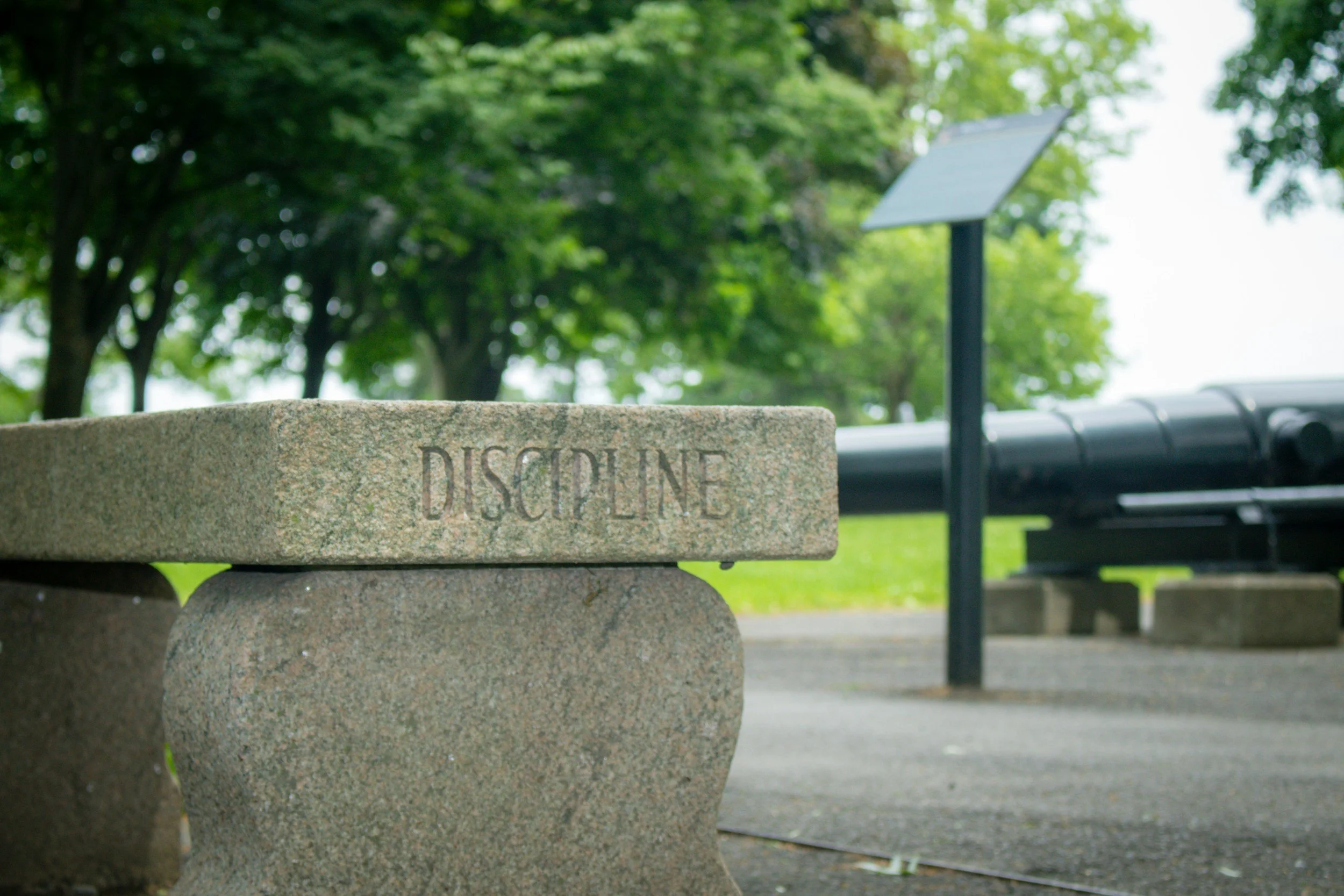
Discipline is often praised as the secret to success
And for good reason. But when we become obsessed with being disciplined all the time, we can fall into the trap of constantly optimizing ourselves instead of appreciating how far we've already come.
Here’s how it shows up:
You tell yourself you must read one more article before acting on anything.
You schedule every hour for productivity, yet nothing tangible changes.
You feel guilty when you’re not consuming content, even if your to-do list is empty.
In short, too much discipline without focus turns action into performance, not progress.
The “Moral High” of Learning
There’s also a subtle psychological effect at play: consuming self-help content can feel morally or intellectually virtuous. You feel like a “good student” of life. While others are wasting their time doing who knows what, you’re learning. While others are watching Netflix, playing video games, or doing something else, you’re evolving, becoming a better human. And again, there’s nothing wrong with learning—yet learning for the sake of learning is not growth.
Growth requires implementation. Growth requires reflection. Growth requires choosing a few things intentionally and doing them consistently.
“Doing something once is worth more than thinking, reading, or talking about it a thousand times.”
Quality Over Quantity
The antidote is simple—but not easy: less. Less input, less “information”.
Instead of following every guru, every coach, or every new productivity trend, pick 1 or 2 practices that truly resonate with you and that are realistic for you to implement, long-term. Dive deep. Apply them consistently. Track your progress.
Ask yourself:
Which advice actually aligns with my values and goals?
What practices am I willing to commit to for the next 30–90 days?
Am I learning for clarity or for a temporary high?
Implementing fewer, more meaningful strategies creates momentum. It creates measurable results. It creates a sense of mastery.

Mindful Self-Improvement
This is where mindful productivity comes in. Mindful productivity isn’t about doing more; it’s about doing what matters. It’s about reflecting on your actions, prioritizing your goals, and focusing your energy on what actually moves the needle.
At Be Well Life Coaching, I guide my clients to:
Identify the few actions that will create the most impact.
Build sustainable habits without burnout.
Replace content overload with clarity and measurable progress.
Instead of chasing the next high of consuming more knowledge, you experience the satisfaction of seeing real results in your life.
Start Small, Focus Big
Here’s a practical tip to start breaking the cycle today:
Audit your self-improvement consumption. List everything you’re reading, watching, or following.
Choose only 1-2 practices that truly matter.
Commit to applying them consistently for a set period (30–90 days).
Reflect weekly: what’s working? What isn’t? Adjust.
You’ll be surprised how much lighter, calmer, and more productive your life feels when you focus on doing instead of endlessly consuming.

Self-improvement addiction isn’t your enemy. It shows that you care about growth. But without focus and implementation, they can trap you in a loop of performance and content overload.
The key is not more discipline, more content, or more “learning.” The key is clarity, focus, and consistent action on the few things that truly move the needle.
If you’re a millennial tired of generic self-help and ready for measurable progress, start small, focus big, and give yourself permission to act—not just consume. Your future self will thank you.
Be well,
Carolina 💫
Mindful Productivity & Strengths-Based Coach | Founder of Be Well Simplify Life Coaching
Guiding millennials who are done with generic self-help and want real support and measurable progress.